What is the difference between cPanel and managed hosting?
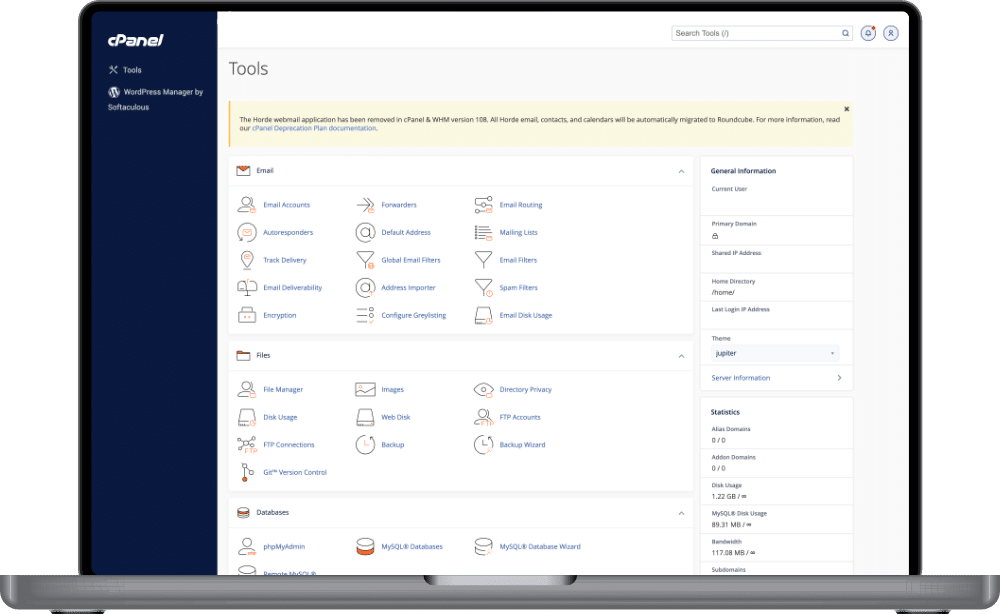
cPanel hosting gives you direct control of files, databases, email accounts and other hosting tools. Managed hosting adds agreed website maintenance, WordPress updates, email setup, page changes and ongoing support. It is used for Nexar-built websites and existing sites accepted for migration after a review.
Which hosting package should I choose?
Email Only is for professional email without a website. Basic is for a single website managed through cPanel. Premium provides multi-site capacity and WordPress help. Managed Standard, Large and Bespoke are for Nexar-built websites, or accepted transfers, where you want us to handle the agreed technical and content work.
Can Nexar move my existing website and email?
Yes, after checking the current website, email, domain and provider access. We plan the copy, testing and DNS change together. The existing live website can remain online while the new hosting copy is prepared, helping to minimise disruption before the agreed changeover.
Are SSL and backups included?
Yes. Every listed hosting package includes SSL and daily backups retained for 60 days. Self-managed cPanel customers can access available restore points through JetBackup.
What does Imunify360 do?
Imunify360 monitors the hosting environment for malware, viruses and suspicious activity. It helps block threats and can take protective action when harmful files are detected. It is included across the listed Nexar hosting packages, although no security system can remove every risk.
Does hosting include help with WordPress?
WordPress help is included with cPanel Premium and the appropriate managed packages. Basic and Email Only do not include WordPress repairs. The scope of page changes and priority support depends on the managed package selected.
How can I contact Nexar about hosting support?
Call 07872 326085, use WhatsApp on the same number or email contact@nexarwebservices.co.uk. Tell us the affected domain and whether the problem concerns the website, email, DNS or cPanel, and include the exact error message where possible.





 View Reviews on Google


